
Acupuncture Treatment Chicken Shoot Game Alternative Medicine in UK
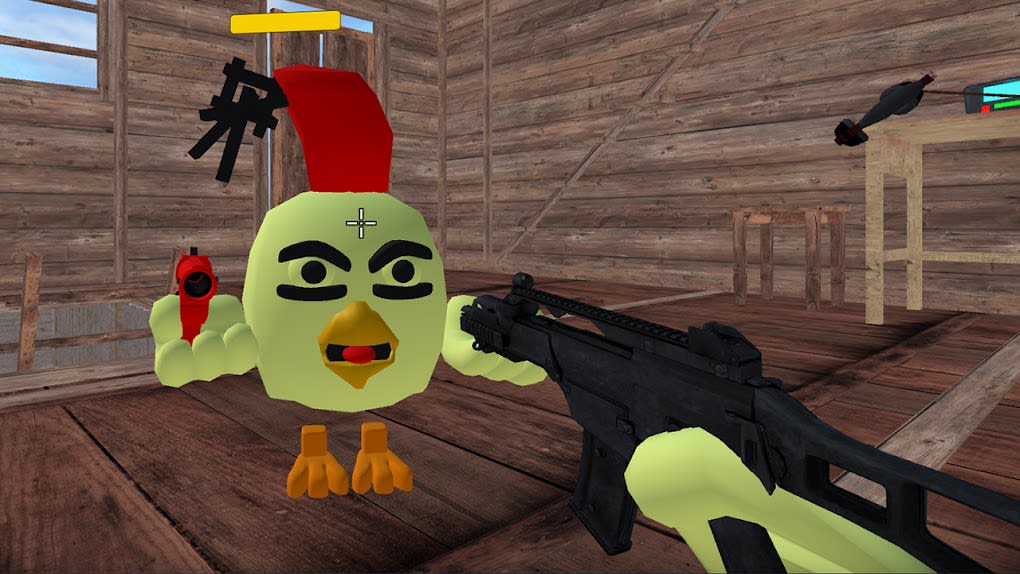
If you monitor trends in wellness and digital entertainment, you might have observed a strange pairing in the UK. People are talking about acupuncture, a traditional Chinese medicine practice, in the same breath as a modern online game called Chicken Shoot. They are completely distinct. One is an ancient healing art using fine needles. The other is a fast-paced digital shooting gallery, often played for real money on casino sites. So why are they linked? This article looks at both. It considers why someone might call a game a form of “treatment,” and separates that idea from the actual, evidence-based practice of acupuncture. We’ll define what each one does, and who they are for.
Understanding Acupuncture as a Clinical Practice
In the UK, acupuncture is a governed medical practice. Qualified practitioners must sign up with professional bodies like the British Acupuncture Council. The treatment involves introducing very fine, sterile needles into particular points on the body. Traditional Chinese medicine calls these points acupoints. The theory asserts that this stimulates the flow of ‘Qi’, or vital energy, through pathways known as meridians. This is thought to restore balance and help the body heal itself. From a modern science perspective, the needle stimulation appears to affect the nervous system. It can stimulate the release of natural painkillers like endorphins and modify how we perceive pain. A proper session isn’t quick or random. A registered acupuncturist will start with a full consultation, make a diagnosis, and then develop a personalised plan. This is a clinical procedure.
Recognized Uses of Acupuncture in the UK Healthcare Context
Acupuncture has gained a recognized spot in parts of the UK healthcare system. The National Institute for Health and Care Excellence (NICE) suggests it as a treatment for chronic primary pain, chronic tension-type headaches, and migraines. You can access it available in many NHS physiotherapy departments and pain clinics, used alongside conventional treatments. People turn to it for various problems, including back pain, neck pain, osteoarthritis in the knee, and nausea from chemotherapy. It’s worth bearing in mind that for many patients, it works as a complementary therapy. That means it’s applied with standard care, not instead of it. Research on how well it works persists, but its role as a structured treatment delivered by trained professionals is clear.
Main Distinctions in Function and Goal
Let’s lay out the distinctions plainly.
- Core:
- Oversight:
- Purpose:
- Engagement:
- Outcome Measurement:
When Digital Distraction Fits Responsibly
None of this means digital games hurt you. Employed wisely, chicken shoot reload, a casual game can be a fine way to take a mental break. The difference is in your approach. Playing a free, non-gambling version of a shooting game for twenty minutes to unwind after a long day is a modern hobby, like solving a puzzle. It crosses a line when you refer to it as “treatment”, or when it eats too much time or leads to spending money you can’t afford. Smart use means setting limits. Be truthful about the purpose of playing. Do you play for fun, or are you attempting to quiet an uneasy sensation? The second motive is a warning sign. A game is a hobby, not a health plan.
Taking an Informed Decision for Wellness
If you reside in the UK and want genuine support for stress, pain, or a medical condition, your path is clear. Start by speaking with your GP. They can offer you a diagnosis and talk about all your options, which may include a referral to a registered acupuncturist. You must always check a practitioner’s credentials on the British Acupuncture Council website. If you desire to use games for relaxation, choose one that doesn’t involve gambling. Establish firm limits on your time and spending. Question yourself why you’re playing. If the answer is to zone out, it’s time to seek better support. Recognizing the difference between clinical care and casual fun is the first step to making choices that actually help you.
What’s the Confusion About? Looking for Ease from Anxiety
So how did these two things get mixed up? The link is probably anxiety. Or rather, the hunt for ease from it. Lots of people use video games to escape. The intense focus a fast-paced game demands can push other worries out of your mind for a while. It creates a kind of single-mindedness. Acupuncture can also lead to a deep sense of calm and tranquility. But here the similarity stops. The way they work and how long the effects last are completely different. Acupuncture tries to tackle the physical roots of stress, aiming to calm the nervous system over several sessions. A game like Chicken Shoot is just a distraction. It’s a short-term activity that stops the moment you stop. It doesn’t resolve the underlying problem. If you’re playing with real money and losing, it can actually make your stress more intense.
The Character of the Chicken Shoot Game
The Chicken Shoot game sits on the other side of the fence. You’ll usually find it on online casino platforms. It’s a basic arcade-style game. Players, often wagering real money, aim at moving cartoon chickens to win points or cash prizes. The game is constructed for instant feedback. It utilizes sounds, visual effects, and random rewards to keep you playing. You don’t need any training or qualifications to play. It’s an amusement product, intended for fun and, in the casino context, to make a profit. The design uses basic psychology to establish a state of immersion. That intense distraction is what some people might casually—and incorrectly—characterize as a form of therapy. It’s just a game.

The Risks of Misintertaining Digital Games as Therapy
Describing a game similar to Chicken Shoot “a medical alternative” constitutes a error, and a dangerous one. The biggest threat is that it can keep people receiving proper treatment. If you opt to play a repetitive, potentially habit-forming game instead of seeing a doctor or therapist for ongoing anxiety, the real problem never gets tackled. When the game entails gambling, the hazards escalate. Financial losses can become a major new cause of strain, catching you in a cycle where you play to flee the very anxiety the playing triggered. The dopamine surges from the game’s feedback cycles can also foster unhealthy habits. Framing a casino game as therapy trivializes real medical care and ignores the serious injury gambling can do.
Conclusion on Two Distinct Worlds
Acupuncture and the Chicken Shoot game belong to different worlds. Acupuncture therapy is an complementary medical practice with established standards and a expanding body of research behind it. It aims for defined health outcomes. The Chicken Shoot game, particularly as a casino product, is electronic entertainment with built-in financial risks. It’s designed to hold your attention and to bring in revenue. Both might draw in someone experiencing stress, but their methods, objectives, and consequences are polar opposites. Blurring them damages the legitimacy of acupuncture and masks the dangers of misusing gambling products. For your welfare, the wise choice is to see them for what they are. Choose your interventions based on facts, expert guidance, and a realistic view of what you truly need.