
Balloon Boom Slot API Reference for UK Engineers
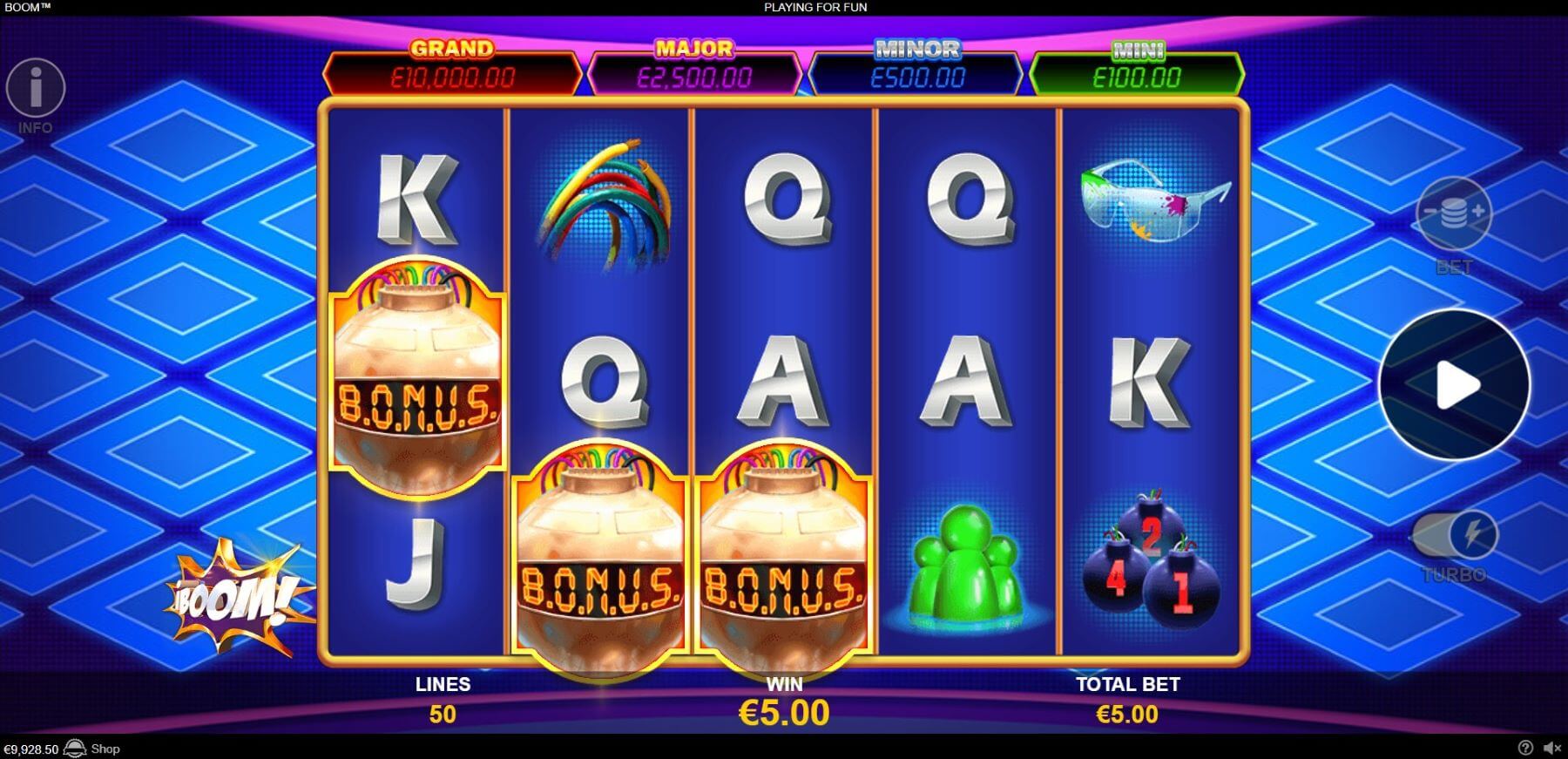
This document provides UK programmers and providers the specifications needed to add the balloon boom app android Slot game. You will discover the API connections, data formats, and setup options here. Following this guide enables you to deploy the game to your iGaming site, comply with UK standards, and provide your players a smooth experience.
API Security and Security
You require a distinct API key to invoke the Balloon Boom Slot API. We issue you this key when you start. Put it in the header of every HTTP request you send. For money transactions, like moving funds, the API also utilizes HMAC request signing. This extra step ensures nothing gets changed on the way.
Safe Communication Protocols
You have to connect using TLS 1.2 or a more recent version. The API provides perfect forward secrecy. Your job is to hold those API keys confidential and change them now and then. This is a fundamental part of running a secure service in the UK.
Signature Generation Methodology
For the financial endpoints, you build a signature with a shared secret. The signature combines together the request timestamp, a nonce, and the full request body. Our server checks this signature to ensure the request is genuine and unaltered. We decline any request with a timestamp older than five minutes, which stops replay attacks.
Game Setup and Session Management
The process begins with launching a player session. Your server calls the `/game/init` endpoint with the player’s ID and their preferred bet settings. The API returns a unique `session_token` and a URL for the game itself. You employ that token for every subsequent action in that certain game round.
The session system deals with timeouts, dropouts, and games left hanging. The API includes a resume function. If a player gets disconnected, they can come back to the same game within a set time. This maintains fairness and stops players getting annoyed. We record all session data, which you’ll require for UK compliance audits.
Player and Money Settings
When you set up a game, you need to send specific details to configure it correctly. The player’s locale (like `en-GB`) dictates the language and how currency looks. The `currency_code` (for example, GBP) must be the matching the player’s wallet currency. The API checks the bet limits against all of the game’s own rules and any extra limits you submit.
Going Live and Production Checklist
Going live needs a last review. Switch all your API calls from the staging URL to the production URL. Set up your live API keys in place, stored securely. Do a final end-to-end test with real money, even if it’s just a few pence (a “penny drop” test).
Ensure your callback URLs are live on the public internet, using HTTPS, and that your firewall accepts traffic from our production servers (we’ll give you the IP list). Verify that your logging systems are recording all API calls and errors. Lastly, prepare your support team on how the game works and what to do if a player has a technical question.
Post-Launch Monitoring
Once the game is live, monitor it closely. Watch the API response times, error rates, and whether transactions finish. We offer a status dashboard for our services. For help, UK developers can use a dedicated technical support line. Our SLAs specify our uptime promises and how fast we’ll respond if something breaks.
Testing and Development Environment
Avoid going directly live. Use our staging environment first. This sandbox mirrors the real API but operates with pretend money. No actual money is involved. We’ll give you separate staging API keys so you can run through the whole player journey, testing wins, losses, and edge scenarios.
In staging, you can simulate specific game events. You can activate a bonus round or a jackpot to see how your platform responds. This is the best way to validate your handling of game states and financial tracking. We provide full test scripts and a simulator dashboard to all UK partners.
Regulatory Compliance Simulation
The staging tools let you verify UK compliance features. You can run our reality check prompts and time-out functions. You can also ensure that game history and transaction logs are recorded properly for regulatory reports. This step makes sure your live setup will meet UKGC scrutiny.
Getting Started to the Balloon Boom Slot API
The Balloon Boom Slot API acts as a RESTful connection for server-to-server communication. It enables your site manage game sessions, manage money financial transactions, and fetch game results securely. It is designed to cope with the busy traffic of the UK gaming market. Configuration is simple, allowing you to launch the game swiftly while maintaining control on the user flow or your own server infrastructure.
The API operates on a few solid ideas. Important calls are designed to be idempotent, so duplicate calls won’t create issues. Error management is clear, and the stateless design maintains dependability, even if the network hiccups. All API requests demands an API key for authorization, and all sensitive information is secured with encryption. This meets the security compliance the UK Gambling Commission requires.
Game Attributes and Special Rounds
Balloon Boom Slot includes various features like free spins, bonus features, and cascading reels. The API manages the entire logic for these. If a feature round begins, the API response will contain a `feature_type` flag and all information the game client requires to render it properly.
For engaging bonus rounds, the API monitors the state. Your backend simply forwards the user’s decisions back, and the API calculates the prizes. This architecture maintains the complex game logic on our protected servers. It renders your implementation more straightforward and ensures the game operates as expected.
Dealing with Cascading Payouts and Respins
With tumbling reels, one bet can result in various wins in succession. The API groups these into a single `bet` response to save time. The response contains an array named `cascade_steps`. Each step specifies the win for that cascade. Total them to calculate the total payout, and adjust the player’s balance with that ending sum.
Webhook URLs and Webhook Configuration
You must configure callback URLs (webhooks) on your server for async updates and extra security. The critical one is for balance updates. It offers you a second confirmation of any financial transaction. Our API will POST a signed request to your endpoint, and you must respond with a 200 OK.
Other webhooks can tell you about promotional triggers, session endings, or system alerts. Your callback endpoint must be trustworthy, rapid, and must validate the signature on every incoming payload. If you don’t answer, game processes could stall and the player will observe.
Payment Handling: Wagering and Settlements
The main money loop is basic: put a bet, get a result. You call the `/bet` endpoint with the `session_token` and the exact wager amount. The API validates the bet, deducts the money from the player’s credit (which you manage), and rotates the reels. The response arrives with the full result, including any win.
Wins are credited to the player’s balance on your system right away. This takes place either through a callback or straight in the response, depending on how you connected. The API gives you a full win breakdown: the multiplier, the winning lines, and the total. Every single transaction has its own ID so you can reconcile everything up later.
- Bet Placement: Invoke `/bet` with the token and amount. Ensure the player has enough money first.
- Result Processing: The API delivers back the game outcome and any win amount in one step.
- Balance Update: Your platform updates the player’s cash balance instantly. Use the net change (win minus bet).
- Transaction Logging: Save the transaction ID, bet amount, win amount, and net change in your own records.
Error Handling and HTTP Codes
The API utilizes standard HTTP status codes. A `200 OK` signals success. `4xx` codes mean you sent something invalid, like bad data or a bet with no funds. `5xx` codes signal something went wrong on our server. Every error response contains a code for your systems and a message for your developers.
You’ll see errors for invalid API keys (`401 Unauthorized`), bets on dead sessions (`410 Gone`), or our server being down (`503 Service Unavailable`). Your code should handle these gracefully, telling the user something’s up without giving away technical secrets. For `5xx` errors, it’s smart to retry the request with a waiting period that becomes longer each time.
Last Steps
This documentation details what you need to integrate the Balloon Boom Slot for your UK players. Stick to the authentication, session, and money protocols described here to build a secure and fair game experience. Checking thoroughly in the staging sandbox and ticking off the production checklist are your last tasks before a strong, reliable launch.